Subang Jaya: Where Diversity Is the Default, Not the Exception
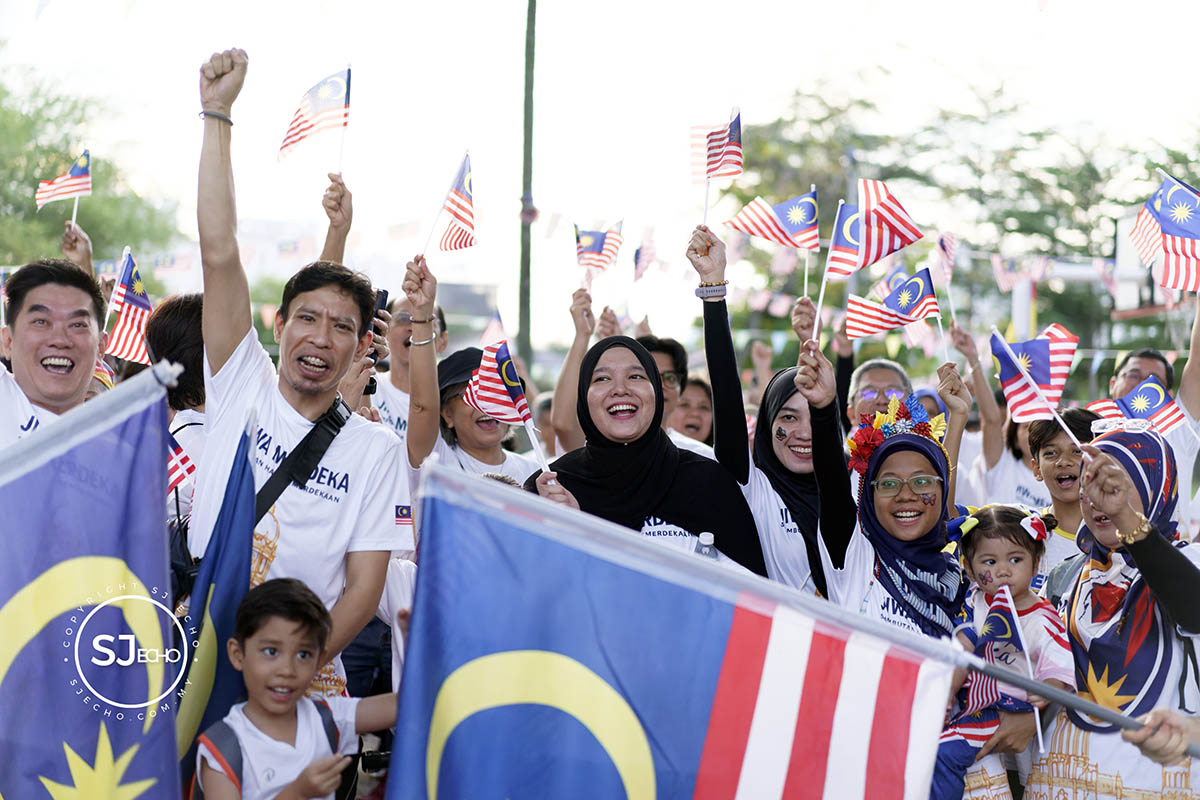
In Subang Jaya, where I have spent most of my life, we have all considered each and everyone of us as equals. I can walk into a mosque; a Buddhist, Hindu or Sikh temple; or even a church and I would feel right at home. Everyone is my brother and sister.
Subangites probably tend to behave this way more and that is something we should treasure and be proud of. Over the month of August, we ran an online feature of the citizens of Subang Jaya and in this edition, we compiled 69 of them for our Merdeka and Malaysia Day.
This is not curated harmony; it is organic, imperfect, and real. Festivals here spill across boundaries. Hari Raya lights twinkle beside Deepavali rangolis, Chinese New Year oranges are passed to neighbours across cultures, and Christmas carols echo in shopping malls with the same enthusiasm as Aidilfitri jingles.
Politics, Race, Religion: Let Them Come and Go – Friendships Must Remain
Politics, race and religion should never divide us in Subang Jaya. We are free to associate with anyone we want. Choosing to affiliate with the politics of our choice should not divide friends. After all, the people who bring the politics into our realm will come and go; but friendships should remain intact to withstand the test of time.
Perhaps I am over-optimistic but that is what I am: always looking on the bright side instead of trying to divide and rule. Subang Jaya’s diversity is not a side story; it is the main narrative. It stands as a living, breathing, noisy, colourful proof that when people of many backgrounds live side by side not in tolerance, but in mutual respect – something remarkable can emerge.
SOMETIMES THE BEST IDEAS ARE ALWAYS RIGHT IN FRONT OF US: THIS USJ21 WALKWAY SHOWS WHAT SUBANG JAYA NEEDS
 When people talk about improving public transport, the conversation often revolves around adding more buses, building new stations, or introducing fancy mobility solutions.
But perhaps the biggest lesson for Subang Jaya isn’t something we need to travel overseas to discover.
It’s already here.
Tucked away along a modest stretch of Jalan USJ21/10 is a simple piece of infrastructure that quietly does exactly what good urban planning is supposed to do – make walking safe, comfortable and practical.
The approximately 150-metre covered pedestrian walkway connects the commercial area along Jalan USJ21/10 to the junction of Persiaran Kewajipan, where pedestrians can continue directly towards the USJ21 LRT Station.
It may not look spectacular, but every day it serves one of the most important roles in any public transport network: solving the first-mile and last-mile challenge.
For residents heading to work, students catching the train, or visitors walking between the shops and the LRT station, this sheltered path provides a safe alternative to walking on the road shoulder under the scorching afternoon sun or during sudden tropical downpours.
The walkway is also thoughtfully elevated above the road, giving pedestrians a greater sense of separation from traffic while providing easier access to the surrounding businesses.
It’s a reminder that becoming a pedestrian-friendly city isn’t always about billion-ringgit projects.
Sometimes it’s about building the basics and building them well.
A Small Investment with a Big Impact
As more people are encouraged to use public transport, the journey doesn’t begin at the LRT station.
It begins the moment someone steps out of their home or office.
Without safe, continuous and sheltered walkways, even the most modern rail system becomes less attractive because people still have to navigate unsafe or uncomfortable routes to reach it.
That’s why urban planners often describe walkability as the missing link in successful public transport systems.
The USJ21 walkway proves that Subang Jaya already has examples worth replicating.
Time for a Refresh
Like many public facilities that have faithfully served the community for years, the structure is beginning to show its age.
Rust can be seen on parts of the steel framework, and sections of the shelter would benefit from repainting and minor maintenance.
Fortunately, these are relatively modest improvements that could restore the walkway to its former condition while extending its lifespan for many more years.
Rather than replacing what already works, maintaining and upgrading existing infrastructure is often the smarter and more cost-effective solution.
We Don’t Have to Look Far
Every year, local councils and planners embark on lawatan sambil belajar to study successful cities.
While learning from others is valuable, sometimes the best examples are already within our own neighbourhoods.
This stretch of Jalan USJ21/10 demonstrates that pedestrian-friendly infrastructure doesn’t have to be complicated.
Safe walkways. Continuous connectivity. Shelter from the weather.
These are the kinds of practical improvements that encourage more people to walk, support public transport use, and ultimately make Subang Jaya a more liveable city.
Perhaps instead of asking what we can learn elsewhere, we should first ask: How can we build more walkways like this across Subang Jaya?
HAPPY MERDEKA AND MALAYSIA DAY EVERYONE!